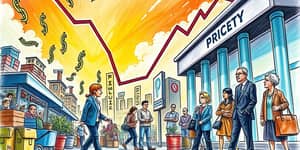
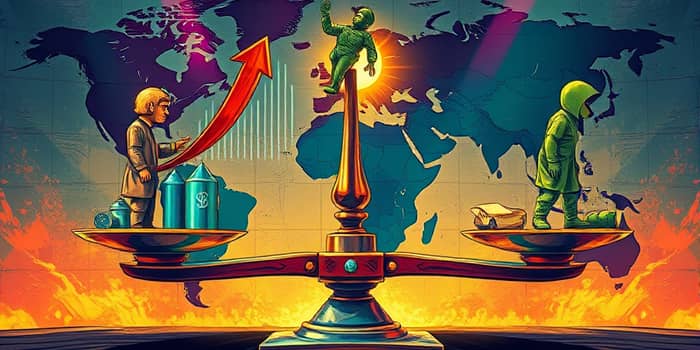
Stagflation represents one of the most daunting challenges modern economies can face, combining the worst of inflation and stagnation in a single phenomenon. When prices surge even as growth stalls, policymakers and citizens alike confront a complex dilemma with no easy solutions.
Definition of Stagflation
Stagflation is defined by three simultaneous factors: stagnant or slow economic growth, high unemployment, and high inflation. Unlike typical downturns, where falling demand eases price pressures, stagflation drives prices higher even as output contracts.
This counterintuitive mix occurs when supply constraints drive costs upward while consumer spending weakens. Rising energy or raw material costs, combined with policy missteps, form the core of this persistent threat.
Historical Examples
History offers stark lessons on stagflation’s destructive power. The most cited case is the 1970s, when oil price shocks upended economies globally.
- 1970s Oil Crisis (US and UK): Triggered by OPEC embargoes, inflation in the US soared to nearly 14% by 1980, while GDP contracted and unemployment reached 9%.
- 1960s United Kingdom: Slow growth, rising inflation, and trade deficits led to wage-price spirals and productivity declines, setting the stage for repeated crises.
- Late 1970s Repeat Shock: Further oil price spikes, dollar depreciation, and aggressive wage hikes intensified stagflation’s grip.
These episodes illustrate how energy bottlenecks, combined with loose monetary policies and expansionary fiscal measures, can lock an economy into a low-growth, high-inflation equilibrium.
Causes of Stagflation
Economists debate the precise triggers, but most agree on two broad categories: supply-side shocks and policy failures. Understanding these drivers is key to devising effective responses.
Below is a summary of major causes:
- Supply-side shocks: Oil price spikes, energy crises, global supply-chain breakdowns.
- Policy/demand failures: Excess money creation, low interest rates, large deficits.
- Other drivers include skill shortages, policy uncertainty, and restrictive regulations.
Effects and Impacts
The dual burden of rising prices and stagnant output creates a ripple effect across every sector of society.
- Economic consequences: Businesses slash production and hiring, stock and bond markets underperform, and real wages decline.
- Household strain: Reduced purchasing power makes essentials like food and fuel unaffordable for many.
- Social tensions: Labor unrest grows as workers demand higher wages, fueling further inflation in a vicious cycle.
Unlike a recession—where lower demand eventually deflates prices—stagflation traps an economy in a high-inflation, low-growth state, complicating recovery efforts.
Current Risks and Warning Signs
As of mid-2025, several indicators echo past stagflationary threats. Although growth has not officially stalled, warning signs include persistent inflation rates above central bank targets and slowing GDP expansion.
Key triggers in today’s context are:
- Ongoing supply-chain disruptions lingering from the pandemic.
- Rising labor and raw material costs across industries.
- Heightened trade tensions, with tariff increases disrupting global commerce.
Monitoring metrics such as GDP growth falling below 1%, unemployment rising above natural rates, and inflation consistently above 4–5% can signal an emerging stagflationary environment.
Mitigation Strategies
When faced with stagflation, policymakers must navigate a narrow path between curbing inflation and supporting growth. No single remedy suffices—responses must be multifaceted and precisely targeted.
- Diversify energy sources: Reducing reliance on volatile commodities can dampen supply shocks.
- Enhance productivity: Investment in technology and workforce skills helps expand output without fueling prices.
- Tight but targeted monetary policy: Gradual interest rate adjustments can control inflation without triggering a recession.
Structural reforms, including deregulation and improved trade frameworks, further bolster resilience by fostering competition and reducing cost pressures.
Conclusion
Stagflation remains a rare but formidable economic phenomenon, capable of inflicting long-lasting damage on growth, employment, and living standards. By studying past episodes and recognizing early warning signs, policymakers and investors can develop strategies to mitigate its impact.
Ultimately, avoiding the pitfalls of stagflation requires a balanced approach: addressing supply constraints, fine-tuning monetary policy, and pursuing reforms that foster sustainable growth. In doing so, economies can better withstand the triple threat of stagnation, unemployment, and inflation, safeguarding prosperity for future generations.
References
- https://www.unleashedfinancial.com/blog/feeling-the-squeeze-understanding-stagflation-in-todays-economy-5/
- https://kanga.exchange/university/en/courses/beginner-course/lessons/44-what-is-stagflation-and-why-does-it-have-a-negative-impact-on-the-market/
- https://www.mpeslearning.com/blog/what-is-stagflation
- https://libertygroupllc.com/blog/stagflation-causes-effects-and-how-to-combat-it/
- https://www.ssga.com/us/en/individual/resources/education/what-is-stagflation-and-what-makes-it-so-bad
- https://en.wikipedia.org/wiki/Stagflation
- https://facet.com/what-is-stagflation-explaining-the-economic-threat-and-tariff-impact/
- https://www.fidelity.com/learning-center/smart-money/stagflation
- https://www.youtube.com/watch?v=x-Q47erm5MI
- https://now.fordham.edu/business-and-economics/what-is-stagflation-and-why-should-you-care/
- https://www.empower.com/the-currency/money/stagflation
- https://www.morningstar.com/economy/what-is-stagflation-why-is-it-worry