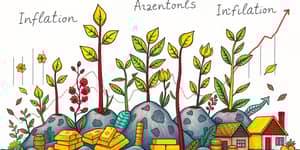

Imagine planting a tiny acorn and watching it become a towering oak over decades. In investing, reinvesting dividends and gains works the same way, nurturing a self-reinforcing cycle that fuels wealth accumulation without adding new capital. This article reveals how harnessing the exponential portfolio growth of compounding can transform modest investments into substantial nest eggs.
Understanding Compounding: The Eighth Wonder
Albert Einstein famously called compounding the “eighth wonder of the world.” At its core, compounding takes earnings—dividends, interest, capital gains—and plows them back into the original investment, generating future returns on both principal and past earnings.
Early on, progress may seem slow: the first few years of reinvestment add only small share counts or income boosts. Yet as time passes, the power of compound interest accelerates exponentially. A consistent reinvestment plan can transform a $10,000 portfolio into a six-figure sum over decades, simply by allowing returns to generate further returns.
The Mechanics Behind Reinvestment
Dividend Reinvestment Plans (DRIPs) and automated reinvestment options offered by brokers provide a cost-efficient and automated route to compound returns. By converting cash payouts into additional shares—often fractional—investors benefit from:
- Dollar-cost averaging benefits through continuous purchases at varied price points.
- Fee-free or low-cost reinvestment, reducing friction and promoting discipline.
- Growing share counts without needing fresh capital injections.
To illustrate, consider a simple table comparing outcomes over 20 years with a 5% annual return:
While plain interest yields $265, compounding pushes the total to $332. That $67 gap showcases earnings on earnings in action.
Real-World Success Stories
History and legends of investing abound with compounding champions. For nearly a century, the U.S. stock market has returned 9.9% annually with dividends reinvested—versus 5.8% excluding payouts—translating into 750,000% growth instead of 21,500%. This staggering difference underscores why reinvestment matters.
Berkshire Hathaway, Warren Buffett’s holding company, exemplifies corporate reinvestment. Choosing operational redeployments over shareholder dividends, Berkshire compounded book value at nearly 20% annually from 1965 to 2022—double the S&P 500’s total return. This strategy leverages consistent long-term growth drivers.
Different investor profiles—from new savers to retiree planners—can tap reinvestment in distinct ways:
- Beginners benefit from automation: set and forget DRIPs to build wealth steadily.
- Growth-focused investors maximize gains by selecting high-yield instruments in tax-advantaged accounts.
- Income seekers may choose partial reinvestment, balancing immediate cash needs with future growth.
Getting Started: Practical Steps
Embracing reinvestment requires just a few straightforward actions:
- Check if your brokerage or fund provider offers a DRIP or automatic reinvestment feature.
- Activate reinvestment for dividends and capital gains across eligible accounts.
- Monitor tax implications: use IRAs, 401(k)s, or other sheltered vehicles to defer taxes on distributions.
- Maintain diversification: reinvest across multiple asset classes to manage risk.
Discipline and patience are vital. Reinvesting small amounts consistently beats occasional lump-sum moves in timing the market.
Weighing the Risks and Limitations
While compounding can be transformational, it is not risk-free. Key considerations include:
- Market volatility: Negative returns can erode capital; reinvest wisely across sectors.
- Tax events: Even reinvested dividends trigger taxable income in non-qualified accounts.
- Fees and expenses: High-cost funds can offset compounding benefits; choose low-fee options.
- Income requirements: Retirees may prefer cash payouts to cover living expenses.
Historical performance does not guarantee future outcomes. Always align reinvestment strategies with your financial goals and time horizon.
Conclusion
Reinvesting dividends, interest, and gains is more than a technical tactic—it is a mindset that empowers long-term wealth creation. By harnessing the power of compounding returns, investors can build a snowball effect that accelerates portfolio growth without adding new funds. Start today: activate automatic reinvestment, stay patient, and watch your investments multiply over time. Remember, in the words of Einstein, compound interest truly earns you “money on your money.”
References
- https://www.home.saxo/learn/guides/financial-literacy/why-reinvesting-dividends-is-essential-for-compounding-growth
- https://www.stash.com/learn/how-to-reinvest-dividends-for-maximum-growth/
- https://www.globalmastersfund.com.au/insights/power-of-compounding-reinvesting-earnings-wealth-creation/
- https://investor.vanguard.com/investor-resources-education/online-trading/reinvest-dividends
- https://scrambleup.com/blog/benefits-reinvesting-your-returns
- https://www.fidelity.com/learning-center/investment-products/how-to-reinvest-dividends-and-capital-gains
- https://www.ici.org/viewpoints/20_view_icief9
- https://awealthofcommonsense.com/2023/01/how-dividends-juice-your-returns-in-the-stock-market/
- https://www.schwab.com/learn/story/how-dividend-reinvestment-plan-works
- https://www.acadian-asset.com/investment-insights/owenomics/the-illusion-of-compound-returns
- https://beanstox.com/learn/top-reasons-to-reinvest-your-dividends
- https://abovethegreenline.com/reinvestment-strategy/
- https://www.sglfinancial.com/blog/the-power-of-compounding-grow-wealth-the-smart-way/