
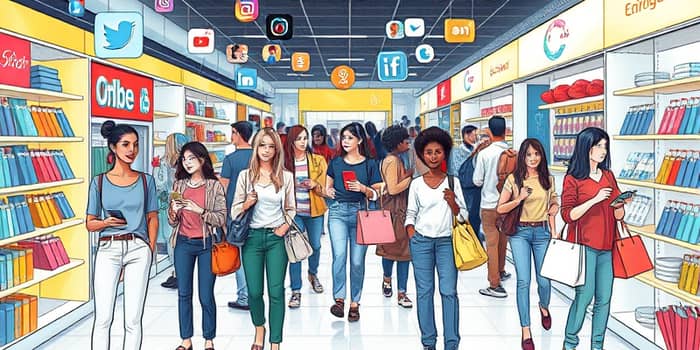
As we move into 2026, retailers face an unprecedented confluence of forces reshaping consumer behavior. From value-driven purchasing to digitally fueled discovery, the retail landscape demands both insight and agility. In this article, we explore the trends, data, and strategies that will empower businesses to thrive in a world defined by targeted, behavior-driven engagement.
A New Value Paradigm in 2026
Consumers are no longer simply hunting for the lowest price. They apply value filters interact with social discovery when deciding what to buy, weighing durability, versatility, and long-term payoff. This shift means that basic staples see high-income shoppers trading down via off-price and resale, while mid-market brands feel the squeeze.
In parallel, promotions and private labels gain traction. In France, nearly 22% of FMCG revenue stems from discounts, and German discount brands now occupy over 50% of shelf space. Shoppers seek bargains without sacrificing perceived quality, creating opportunities for brands that can balance affordability with authenticity.
Digital and Social Influences on Purchase Behavior
Online channels continue to capture greater share. By 2026, 21.1% of total retail sales will occur digitally, and social commerce will account for 17% of those transactions. On platforms where livestream shopping in the US already tops $70 billion, brands that master interactive content see direct ROI.
Generation Z plays a pivotal role, with spending power projected at $12 trillion by 2030. Over half of their purchases originate from social “buy” buttons, and 32% of consumers now 32% value AI for personalization, trusting algorithms to save time and tailor product selections. Successful retailers will weave AI-driven recommendations into every touchpoint, from mobile apps to in-store kiosks.
The K-Shaped Recovery and Demographic Polarization
The post-pandemic recovery has been uneven, with wealthier households benefiting disproportionately. Tax policies directed 60% of relief to the top income quintile (earning over $217 000 annually), widening the divide. Meanwhile, lower-income consumers remain cautious, cutting back on dining out, apparel, and entertainment.
Age cohorts also diverge in behavior. Younger shoppers embrace discovery and social proof, while those in their late 20s to 30s prioritize versatile goods that endure shifting budgets. Older adults, though digitally fluent, gravitate toward familiar brands and comfort products. Retailers must segment accordingly to address each group’s unique motivations.
Illustrating Consumer Spending Plans
Household intentions for 2026 reveal a nuanced picture of cutbacks versus increases. The following table summarizes key categories and planned adjustments among those expecting improved or worsened finances.
Strategic Takeaways for Retailers
- Embrace click-collect and seamless digital integration to bridge online and in-store experiences.
- Leverage AI and data analytics for personalized recommendations and dynamic pricing.
- Tailor value propositions to each segment, highlighting durability and versatility.
- Invest in sustainable brand messaging to win loyalty from Gen Z and eco-conscious shoppers.
- Partner with creators and social platforms to amplify discovery and trust.
By adopting these approaches, retailers can navigate a landscape where consumers prioritize experiences over products, trading down on non-essentials while investing in travel, dining, and memorable events. Cruise bookings, Airbnb nights, and the upcoming World Cup surge exemplify the power of the experience economy.
Looking Ahead: Building Resilience and Growth
Steering through 2026’s complexity requires a holistic view. Rather than reacting to isolated data points, integrate economic forecasts, behavioral insights, and policy impacts to craft forward-looking strategies. A focus on experiences over material possessions and timeless, high-quality goods will create lasting value.
Ultimately, retail reinvention hinges on agility. Continuously monitor shifting filters—from value redefinition to social discovery—and refine offerings in real time. By doing so, businesses can not only survive but thrive, turning economic headwinds into opportunities for innovation and connection with tomorrow’s consumer.
References
- https://www.consumeredge.com/resources/insights/the-five-consumer-shifts-quietly-rewriting-retail-strategy-for-2026/
- https://yougov.com/en-us/articles/54197-us-consumer-spending-and-budgeting-trends-in-2026
- https://nielseniq.com/global/en/insights/analysis/2024/how-gen-z-consumer-behavior-is-reshaping-retail/
- https://economics.td.com/us-k-shaped-consumer-spending
- https://www.youtube.com/watch?v=uV4lAF5OQaM
- https://www.intotheminds.com/blog/en/consumer-trends-2026/
- https://www.retaileconomics.co.uk/retail-insights/thought-leadership-reports/the-cut-back-economy
- https://www.youtube.com/watch?v=irSQrKCEuaI
- https://www.youtube.com/watch?v=_PJvoxl_BFk
- https://www.deloitte.com/us/en/insights/topics/economy/consumer-pulse/state-of-the-us-consumer.html
- https://www.theretailbulletin.com/retail-solutions/reinventing-retail-a-look-at-gen-zs-evolving-consumer-preferences-28-04-2025/
- https://www.salsify.com/blog/top-10-consumer-trends-to-watch
- https://escalent.co/blog/top-consumer-trends-2026-market-research-insights-brands-need-to-build-winning-strategies/
- https://www.circana.com/post/unpacking-consumer-marketing-trends-that-will-drive-growth-in-2026
- https://www.mckinsey.com/industries/consumer-packaged-goods/our-insights/the-state-of-the-us-consumer