
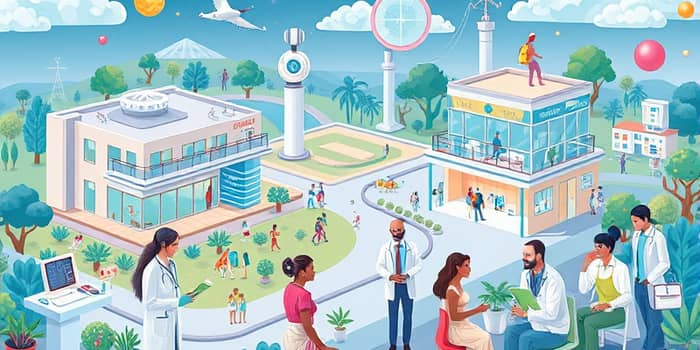
As we move into 2026, the healthcare industry stands at a pivotal juncture, facing rapid innovations and evolving patient expectations. Organizations must embrace change thoughtfully to thrive.
AI Integration and Clinical Transformation
The adoption of artificial intelligence in healthcare has accelerated at an unprecedented pace. Physicians leveraging AI tools jumped by 78% year over year, and two thirds of U.S. clinicians now incorporate AI into their practice. Despite widespread use, only a fraction of systems have established robust oversight structures.
AI’s role is expanding from administrative conveniences to clinical decision-making and prescribing. Emerging agentic AI pilots promise to automate patient triage, while advanced platforms streamline care coordination and generate actionable insights.
- AI-powered workflows to reduce clinician burden
- Predictive analytics for early disease detection
- Automated coding and claims processing
Bridging the gap between adoption and oversight remains critical. Healthcare leaders must prioritize the development of governance frameworks to ensure safe, ethical, and effective AI deployment.
Shift from Hospital-Centric to Ambulatory Care Models
Regulatory changes are steering complex procedures into outpatient settings. As CMS phases out the inpatient-only list in 2026, hospitals are diversifying into ambulatory surgery centers, imaging hubs, rehabilitation clinics, and mobile-to-home services.
Care delivery is transforming from reactive to proactive and preventive. Virtual visits, remote monitoring, and at-home diagnostics are no longer optional add-ons but core components of a modern care continuum.
- Growth of Ambulatory Surgery Centers (ASCs)
- Expansion of community-based imaging and rehab
- Integration of telehealth with home diagnostics
Longevity and Healthspan Medicine
The quest to extend healthy life expectancy is gaining momentum. Each additional year of good health translates to a staggering $38 trillion boost to the global economy. Therapies targeting metabolic health, early detection technologies, and microbiome-informed interventions are reshaping preventive care.
Employers and payers must anticipate rising pharmacy expenditures driven by GLP-1 adoption and design benefits that support metabolic optimization and early detection. Proactive strategies can curb downstream costs while improving population well-being.
Key focus areas include precision prevention built around genetic risk profiling, biomarker-driven screening programs, and holistic metabolic health approaches that depart from traditional drug-centric models.
Personalized and Consumer-Centric Care
Patients today demand more than generic care pathways. Advances in genetic testing, wearable biomonitors, and AI-driven health guidance platforms enable truly individualized treatment plans. Digital navigation tools are simplifying the care journey by providing transparent pricing, provider ratings, and real-time support.
Healthcare organizations must commit to transparency in pricing and performance and integrate feedback loops that continuously refine the patient experience. Meeting rising consumer expectations will distinguish industry leaders.
Employer-Led Healthcare Innovation
Employers are expanding their role from benefit sponsors to active care innovators. Onsite and near-site clinics, virtual care offerings, and targeted wellness programs are designed to boost access and employee engagement. Organizations that harness advanced analytics to tailor benefits drive both health outcomes and cost containment.
Cross-industry collaboration among employers, payers, and providers fosters shared solutions for workforce well-being and financial sustainability. This trend underscores the power of employer-based health care expansion as a lever for systemic change.
Healthcare Technology Segment Growth
The healthcare technology sector is the fastest-growing segment within the industry. Software platforms, data analytics tools, and integrated systems are shifting value pools away from traditional service delivery. Federal initiatives, like the Rural Health Transformation Program, are fueling investments in telehealth infrastructure and digital health solutions.
Consolidation among large technology players may create efficiencies through scale, but innovators in start-ups and mid-sized firms remain vital to delivering niche solutions and driving competition.
Remote Monitoring and Wearable Technology
Wearables and connected devices are transforming chronic disease management and preventive care. Real-time data streams empower clinicians to detect early warning signs and intervene before conditions escalate. Older adults and patients with multiple comorbidities benefit from continuous oversight without frequent hospital visits.
Integrating these devices with electronic health records and AI-driven analytics enhances care coordination and supports a shift toward home-based management of complex illnesses.
Critical Challenges in 2026
Despite abundant opportunities, healthcare faces persistent obstacles:
- Rising healthcare costs pressuring margins and access
- Workforce shortages complicating service delivery
- Regulatory complexity challenging compliance
- Cybersecurity threats risking patient data
- Data governance gaps limiting AI potential
Addressing these issues requires coordinated strategies, from investing in workforce development to strengthening security protocols and harmonizing regulatory requirements with innovation pathways.
Strategic Opportunities for Stakeholders
Organizations that embrace transformation will unlock significant value:
- Operational efficiency through digital transformation and automation
- Innovation in care models such as virtual and home-based services
- Strategic partnerships to enhance clinician support and patient access
- M&A opportunities within the healthcare technology and specialty pharmacy sectors
Industry Outlook and Market Dynamics
Optimism is tempered by financial and regulatory headwinds, yet growth prospects remain strongest in health services and technology, specialty pharmacy, ambulatory care, and novel delivery models. Leaders who innovate and collaborate across value chain while preserving high-quality, patient-centered care will emerge as tomorrow’s champions.
As healthcare navigates this era of profound transformation, the alignment of AI innovation, workforce resilience, and governance will define success. By seizing the moment to invest in sustainable models and inclusive technologies, stakeholders can deliver better health outcomes and secure long-term viability.
References
- https://newsroom.cigna.com/top-health-care-trends-for-2026
- https://tendo.com/resources/top-5-healthcare-industry-predictions-for-2026/
- https://www.jpmorgan.com/insights/payments/trends-innovation/healthcare-innovation-trends
- https://www.vizientinc.com/insights/reports/annual-trends-and-forecasting-reports/2026-trends-report
- https://healthmanagement.org/c/hospital/Health/the-future-of-global-healthcare-challenges-and-opportunities
- https://www.aanp.org/news-feed/top-five-health-care-trends-for-2026-how-new-technology-is-transforming-patient-care
- https://pmc.ncbi.nlm.nih.gov/articles/PMC3018957/
- https://www.mckinsey.com/industries/healthcare/our-insights/what-to-expect-in-us-healthcare
- https://www.deloitte.com/us/en/insights/industry/health-care/life-sciences-and-health-care-industry-outlooks/2026-global-health-care-outlook.html
- https://hellosyncx.com/blog/healthcare-workforce-trends/
- https://publicpolicy.cornell.edu/masters-blog/health-care-industry-trends-to-watch-in-2025/
- https://www.grantthornton.com/insights/articles/health-care/2025/healthcare-ma-trends-challenges-opportunities-in-2025
- https://mailmystatements.com/7-major-challenges-facing-the-healthcare-industry-in-2023/