
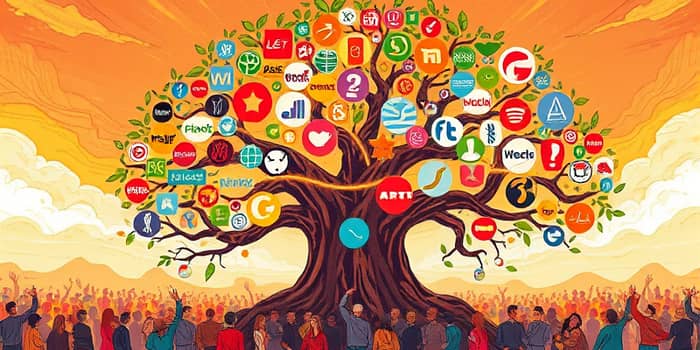
In today’s dynamic marketplace, brands stand as beacons of trust, quality, and identity. More than mere names or logos, they encapsulate promises made to consumers and the experiences delivered over time. When executed well, branding confers sustainable competitive advantage through brand equity, empowering companies to charge premium prices, foster repeat purchases, and navigate competitive pressures with confidence.
At the heart of this equity lie two intertwined drivers: premium pricing and margin resilience enabled by market power, and lasting emotional connections and consumer trust that fuel loyalty. Understanding the complex relationship between these factors is essential for any organization seeking lasting success and growth.
Understanding Brand Value
Brand value is not a static metric; it evolves as consumers interact with products and services. Market power emerges when customers accept price increases—68% remain loyal even if prices rise—while loyalty reflects deeper bonds solidified by quality, service, and shared values. Together, these forces create repeat purchases and vocal brand advocacy, translating into sustainable growth.
Well-established brands like Apple and Nike illustrate this dynamic. Apple’s psychological pricing strategies support an $880 billion valuation, and Nike’s disciplined approach to value-based pricing drives mid-teens growth without discounting. Such examples underscore how brand equity unlocks financial returns that outpace competitors over time.
Measuring Consumer Loyalty
Quantifying loyalty offers vital insights for resource allocation and strategy. Consider these statistics, which reveal the landscape of modern consumer behavior:
- 80% of Americans are loyal to at least one brand, and 74% across the globe identify as brand-loyal.
- 75% of consumers would switch brands for more attractive loyalty program rewards.
- On average, U.S. shoppers belong to 17 loyalty programs, but only 51% actively participate.
- Loyal customers contribute up to 65% of retail revenue and spend 67% more per transaction than new customers.
- A mere 29% of consumers exhibit true loyalty in 2025, signaling a decline in unwavering devotion.
These figures highlight both the opportunity and challenge: brands must continuously innovate loyalty offerings to retain engagement in a crowded market.
Drivers of Brand Equity
Deep-rooted loyalty and market influence arise from multiple factors. Service, quality, emotional resonance, and transparency combine to shape perceptions. The table below compares the most critical drivers:
By understanding how these elements interrelate, brands can craft coherent strategies that reinforce one another, amplifying overall value and resilience.
Maximizing Loyalty Program Impact
Well-designed loyalty programs can serve as catalysts for deeper engagement and higher spending. Key insights include:
- 72% of consumers are more likely to increase spending when loyalty benefits are compelling.
- 56% report spending more as a direct result of program participation.
- 62% enroll in programs that reflect brand values and ethics.
- 93% have earned or redeemed rewards in the past six months.
- Businesses that boost loyalty by 5% can see profit increases between 25% and 95%.
To maximize impact, companies should focus on personalized loyalty experiences and rewards, leveraging data to anticipate needs and celebrate milestones in real time.
Mitigating Brand Abandonment Risks
Even the strongest brands face potential attrition when they neglect core expectations. Quality declines trigger switches in 35% of customers, while 33% abandon brands due to irrelevant offers. Availability issues and poor service prompt 27% and 25% of consumers, respectively, to look elsewhere. Maintaining rigorous quality controls, relevant communications, and seamless availability is vital to preserving trust and mitigating churn.
Regular feedback loops and agile responses to consumer sentiment ensure that emerging issues are addressed before they escalate. Transparency about challenges and visible actions to resolve them further strengthen consumer confidence.
Strategic Takeaways for Brands
To leverage brand power effectively, organizations should focus on the following practical steps:
- Invest consistently in product excellence and authentic storytelling.
- Design loyalty programs that reflect consumer values and offer clear, tiered rewards.
- Use data analytics to segment audiences and deliver personalized experiences at scale.
- Foster transparent communication, embracing feedback and demonstrating rapid improvements.
- Balance premium pricing with perceived quality to justify margin resilience.
By aligning tactics across touchpoints, brands can reinforce core messages and deepen relationships, creating a virtuous cycle of loyalty and growth.
Conclusion
In a marketplace where consumers wield unprecedented choice, brand value hinges on the delicate balance between market power and consumer loyalty. Organizations that master sustainable competitive advantage through brand equity will not only withstand competitive pressures but will also inspire advocacy, drive shareholder value, and secure a prosperous future.
For leaders and marketers, the path forward demands unwavering commitment to excellence, empathy, and innovation. By keeping the consumer at the center of every decision and prioritizing long-term relationship building, brands can transform fleeting interactions into lifelong bonds, ensuring that their value endures for generations to come.
References
- https://collingmedia.com/advertising-strategies/brand-loyalty-and-premium-pricing/
- https://capitaloneshopping.com/research/brand-loyalty-statistics/
- https://www.sogolytics.com/blog/brand-loyalty-sogostudy/
- https://www.deloitte.com/us/en/insights/industry/retail-distribution/reshaping-customer-loyalty-programs.html
- https://emarsys.com/learn/blog/customer-loyalty-statistics/
- https://www.empower.com/the-currency/life/brand-loyalty-shifting-shoppers-value-news
- https://www.attentive.com/blog/consumer-trends-report-brand-loyalty-findings
- https://brittonmdg.com/blog/new-standard-of-brand-loyalty
- https://www.pwc.com/us/en/industries/consumer-markets/library/brand-loyalty.html
- https://www.yotpo.com/blog/why-customer-loyalty-is-important/
- https://www.statista.com/topics/10873/brand-loyalty/
- https://hbr.org/2005/09/building-loyalty-in-business-markets