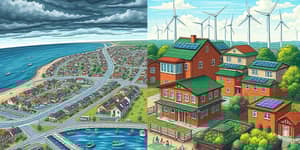
The agricultural sector stands at a crossroads. As global demand shifts and climate challenges intensify, stakeholders—from smallholder farmers to multinational corporations—must pivot toward resilient, sustainable practices. This article dives into projected market dynamics for 2025–2034 and offers practical guidance for navigating uncertainty while fostering food security.
By unpacking authoritative data and emerging trends, we aim to inspire action that ensures every community benefits from the next wave of innovation.
Decelerating demand in advanced economies contrasts sharply with surging needs in emerging markets. Understanding these divergent paths is critical for policymakers, producers, and investors alike.
Global Consumption and Production Trends
According to OECD-FAO projections, global agri-food consumption will increase by 13% in constant USD by 2034, driven largely by urbanization, rising incomes, and population growth in low- and middle-income countries. In particular, decelerating global consumption growth in advanced economies is offset by dynamic gains elsewhere, with Sub-Saharan Africa accounting for 14% of additional demand, especially for staple grains.
Simultaneously, expanding incomes spur dietary shifts toward animal-source foods. Meat and aquaculture output has risen steadily, raising concerns about greenhouse gas emissions but also creating opportunities for livestock and aquaculture production increases that benefit farmers and consumers alike. Under a scenario combining productivity gains with emission-control technologies, researchers suggest it is possible to cut direct agricultural GHGs and substantially reduce hunger by 2034.
Risks, Uncertainties, and Resilience Strategies
Energy volatility and climate extremes pose critical threats to future yields. Ongoing conflicts exacerbate energy security, driving fertilizer and transport costs upward. The FAO Food Price Index could climb 6% if supply disruptions persist through 2028. Meanwhile, rising temperatures and erratic rainfall test the limits of traditional farming systems.
- Adopt climate and energy security risks mitigation plans such as diversified energy sources and low-emission fertilizers.
- Implement water-efficient practices like drip irrigation and rainwater harvesting.
- Strengthen pest management through integrated, ecosystem-based approaches.
- Foster community seed banks and genetic diversity to buffer against extreme weather.
Technological Innovations Driving Change
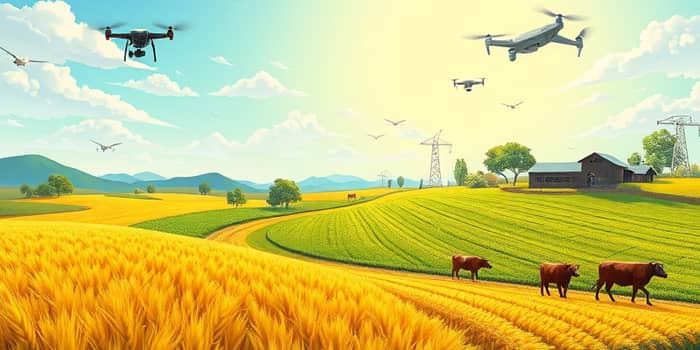
Emerging technologies are reshaping agricultural production. Precision agriculture and AI-driven tools enable real-time soil and crop monitoring via sensors, drones, and machine learning. Variable-rate applications optimize fertilizer and pesticide use, cutting waste and boosting yields. Currently, 39% of global farmers use at least one precision tool, with adoption highest in Europe (62%) and North America (over 70%) and nascent uptake in Asia (9%).
- Deploy remote sensing and soil probes to guide crop nutrition.
- Use data analytics platforms for predictive pest and disease alerts.
- Leverage robotic harvesters to reduce labor shortages and post-harvest losses.
For smallholders, cooperatives and public–private partnerships can pool resources and share training costs, making cutting-edge tools accessible.
Policy Shifts and Regional Dynamics
Trade policies and regional investments will determine who wins in the new agri-food order. Emerging economies in Asia and Sub-Saharan Africa are the primary growth engines, underscoring the need for infrastructure upgrades and irrigation expansion. Reducing distortionary subsidies and aligning incentives with sustainability can unlock productivity without penalizing vulnerable producers.
Effective frameworks emphasize multilateral cooperation for food security, transparent trade rules, and support for climate-smart value chains. Local data systems and price information platforms help producers make informed market decisions and reduce volatility.
Charting a Sustainable Path Forward
The convergence of demographic shifts, climate pressures, and technological breakthroughs demands integrated solutions. Stakeholders must collaborate across sectors to build resilient food systems that nourish communities while safeguarding natural resources.
- For policymakers: realign subsidies to reward sustainable practices and invest in rural infrastructure.
- For producers: adopt regenerative techniques, diversify crops, and engage in producer networks for shared risk management.
- For investors: channel capital into precision tools, low-emission technologies, and value-added processing.
- For consumers: prioritize sustainable, locally sourced foods and support transparent supply chains.
By embracing innovation, policy reform, and local empowerment, we can meet growing food needs while reducing environmental footprints. As we look toward 2034, our collective actions will determine whether agriculture becomes a driver of prosperity or a source of further inequality.
Let this vision propel stakeholders at every level to invest, iterate, and inspire—ensuring a future in which both people and planet thrive.
References
- https://www.oecd.org/en/publications/oecd-fao-agricultural-outlook-2025-2034_601276cd-en/full-report/agricultural-and-food-markets-trends-and-prospects_d3812d71.html
- https://www.fastmarkets.com/agriculture/
- https://ace.illinois.edu/research-outreach/food-agriculture-and-commodities
- https://frupro279684988.wpcomstaging.com/blog/trends-in-agriculture
- https://www.agweb.com/markets/futures
- https://www.innovamarketinsights.com/trends/agriculture-trends-global-market-overview/
- https://www.fao.org/markets-and-trade/areas-of-work/emerging-trends-challenges-and-opportunities/overview/en
- https://www.youtube.com/watch?v=a9iuHSub26A
- https://www.statista.com/outlook/io/agriculture/worldwide
- https://ourworldindata.org/agricultural-production
- https://www.spglobal.com/energy/en/commodity/agriculture