
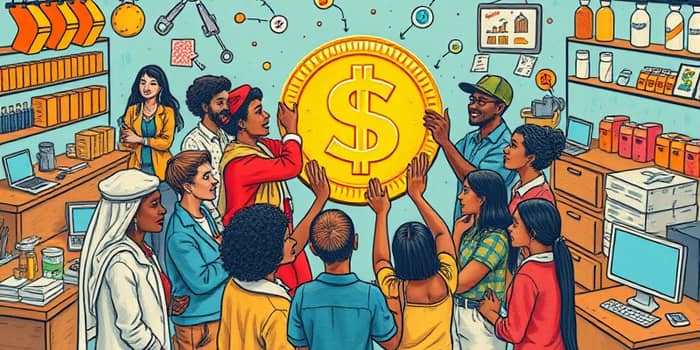
Micro-lending has emerged as a powerful tool for entrepreneurs who lack access to traditional bank financing. By delivering targeted, small but mighty capital, micro-loans fuel startups, expand operations, and build sustainable communities. This article will equip you with insight, inspiration, and practical steps to secure the right micro-loan for your venture.
The Foundation of Micro-Lending
At its core, micro-lending involves extending loans from $500 to $50,000 to individuals or small businesses with limited credit history. These small sums can make an outsized difference, providing working capital, inventory funding, equipment purchases, or expansion costs.
Unlike conventional bank loans, micro-lenders base decisions on personal commitment, community impact, and a solid business plan rather than just credit scores. This flexible eligibility framework opens doors for women, minorities, low-income entrepreneurs, and others traditionally marginalized by finance.
Key Features and Terms to Know
- Loan Amounts: Typically range from $500 to $50,000, with an average of around $13,000 for SBA microloans.
- Interest Rates: Often between 8% and 13%, though platforms like Kiva offer 0% interest.
- Repayment Periods: Terms usually span 1 to 6 years, providing manageable monthly installments.
- Collateral Requirements: Frequently flexible or not required, reducing entry barriers.
- Additional Support: Many lenders include mentoring, financial education, and business training.
Understanding these terms before applying allows you to tailor your request to each lender’s criteria and present a compelling case for approval.
Types of Micro-Lenders and Platforms
Micro-lending providers fall into several categories, each with its own strengths:
- SBA Microloans: Administered through nonprofit intermediaries, offering average loans of $13,000, plus training and technical assistance.
- Peer-to-Peer Platforms: Match borrowers with individual investors. Examples include LendingClub and Prosper, where you can often secure funding with less stringent credit requirements.
- Online Crowdfunding: Portals like Kiva connect you to a community of backers. Zero-interest loans up to $15,000 empower entrepreneurs globally.
- Community Development Financial Institutions (CDFIs): Mission-driven nonprofits reinvesting in underserved communities with both capital and guidance.
- Mission-Focused Lenders: Organizations dedicated to supporting women-owned, minority-owned, or veteran-owned enterprises.
Market Trends and Growth Drivers
The micro-lending market is booming, with projected growth from $228 billion in 2024 to well over $400 billion by 2033. Several forces propel this expansion:
- Fintech Innovation: AI-driven credit scoring and mobile lending apps are reaching unbanked populations.
- Government Initiatives: Financial inclusion programs in Asia, Africa, and Latin America foster lending to first-time borrowers.
- Embedded Finance: E-commerce platforms offering point-of-sale micro-loans to merchants.
- ESG Investments: Impact funds targeting social outcomes pour capital into micro-credit programs.
These trends translate into more opportunities and competitive terms for borrowers everywhere.
Strategies to Secure Your Micro-Loan
Even with flexible criteria, preparation is key to a successful application. Here’s how to stand out:
- Craft a Clear Business Plan: Demonstrate market research, revenue projections, and competitive advantage.
- Showcase Personal Commitment: Highlight your skills, prior experience, and willingness to invest time or savings.
- Leverage Community Impact: Explain how your business will benefit local customers, create jobs, or solve social challenges.
- Build Relationships: Engage with nonprofit intermediaries, attend lender workshops, and seek referrals.
- Prepare Financial Documents: Even simple cash flow statements and basic bookkeeping records can boost lender confidence.
By following these steps, you increase your chances of swift approval and favorable terms.
Real-World Success Stories
Imagine a small salon in a rural town that needed $5,000 to purchase salon chairs and beauty supplies. Through a local CDFI, the owner obtained a micro-loan, attended business training, and saw revenue double within six months. Today, she employs three apprentices and mentors other regional entrepreneurs.
In another case, a technology startup in Southeast Asia used a $10,000 P2P loan to scale its delivery app. By integrating AI for route optimization, the company tripled its user base in a year, attracting further investment and expanding into neighboring countries.
These stories illustrate how targeted small loans can ignite growth far beyond their dollar value.
Practical Next Steps
Ready to embark on your micro-lending journey? Follow this roadmap:
Embracing a Brighter Financial Future
Micro-lending is more than just funds; it represents hope, empowerment, and the belief that every entrepreneur deserves a chance. By understanding the landscape, preparing diligently, and leveraging available resources, you can unlock access to financial support that transforms your vision into reality.
Whether you run a family-owned café, a tech startup, or a mobile repair service, micro-loans can serve as the spark that ignites profound growth. Embrace the journey, stay informed, and join the countless others who have turned small loans into enduring success stories.
References
- https://www.sofi.com/learn/content/microloans/
- https://www.fortunebusinessinsights.com/micro-lending-market-113621
- https://www.thehartford.com/business-insurance/strategy/alternative-funding-startup/microlending
- https://www.snsinsider.com/reports/micro-lending-market-9074
- https://ramp.com/blog/what-is-microlending
- https://straitsresearch.com/report/microlending-market
- https://www.sba.gov/funding-programs/loans/microloans
- https://www.precedenceresearch.com/micro-lending-market
- https://www.nerdwallet.com/business/loans/learn/microloans
- https://www.mordorintelligence.com/industry-reports/micro-lending-market
- https://www.experian.com/blogs/ask-experian/what-is-microlending/
- https://www.technavio.com/report/micro-lending-market-industry-analysis
- https://www.indeed.com/career-advice/finding-a-job/what-is-microfinance
- https://vocal.media/journal/micro-lending-market-key-drivers-emerging-models-and-growth-opportunities-to-2033
- https://www.scu.edu/mobi/business-courses/starting-a-business/microfinancing-basics/